
Optimal Timing for Concrete Repairs
Determining the optimal time for concrete repairs depends on weather conditions, material properties, and project scope. Proper timing ensures durability and longevity of the repair work, minimizing future issues.
Spring and early fall offer moderate temperatures ideal for concrete repairs, reducing the risk of cracking or improper curing.
Avoid repairs during extreme heat, cold, or rain, as these conditions can compromise the curing process and the integrity of the repair.
Ideal temperatures for concrete repairs are between 50°F and 85°F, ensuring proper setting and curing without rapid drying or freezing.
Moderate humidity levels support proper curing; excessive dryness or moisture can lead to surface issues or weak bonds.
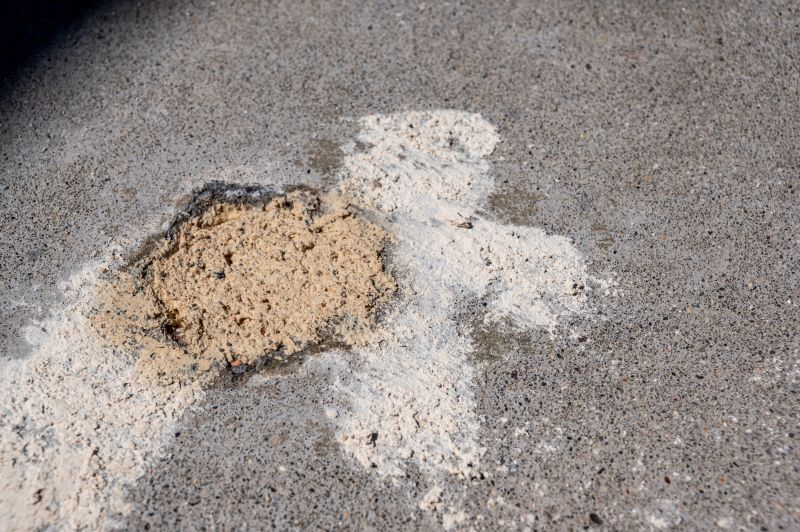
Spring provides moderate temperatures and moisture levels suitable for effective repairs.
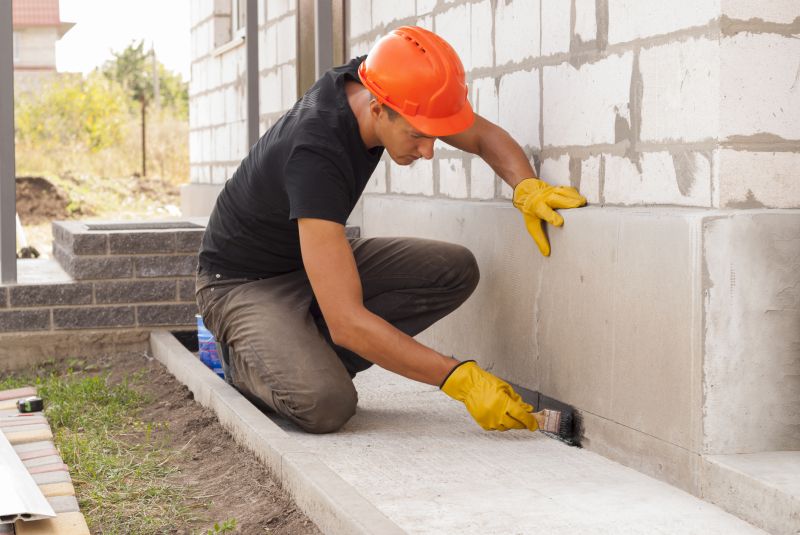
Early fall offers cooler temperatures, reducing curing issues and enhancing repair durability.
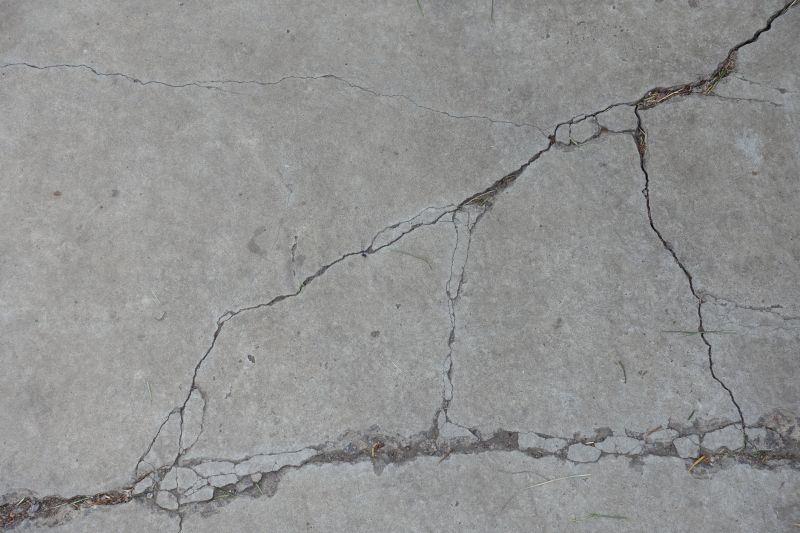
High summer temperatures can cause rapid drying, leading to cracks and weak spots.
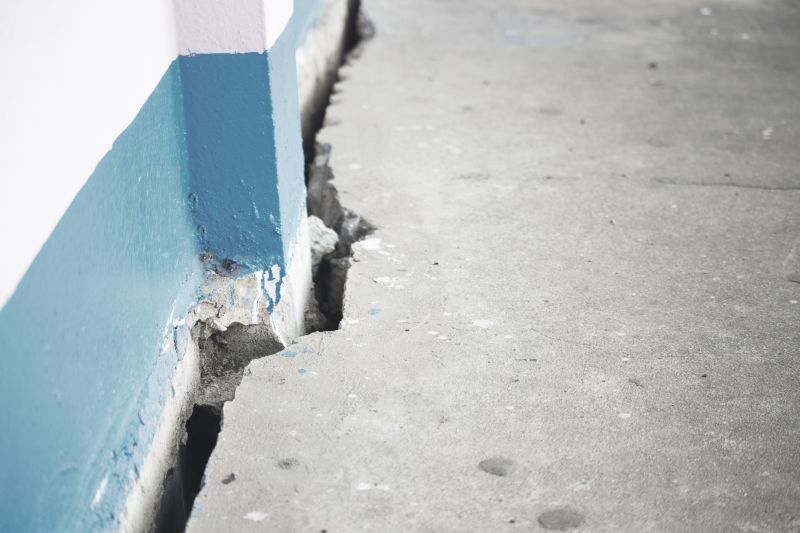
Freezing temperatures hinder proper curing, risking damage to new concrete.
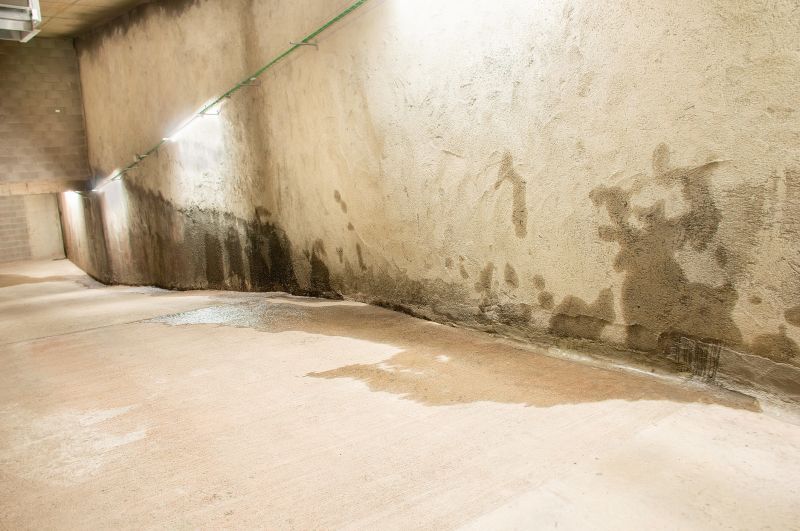
Heavy rain can wash away fresh concrete or cause uneven curing.
Scheduling repairs during stable weather ensures better adhesion and longevity.
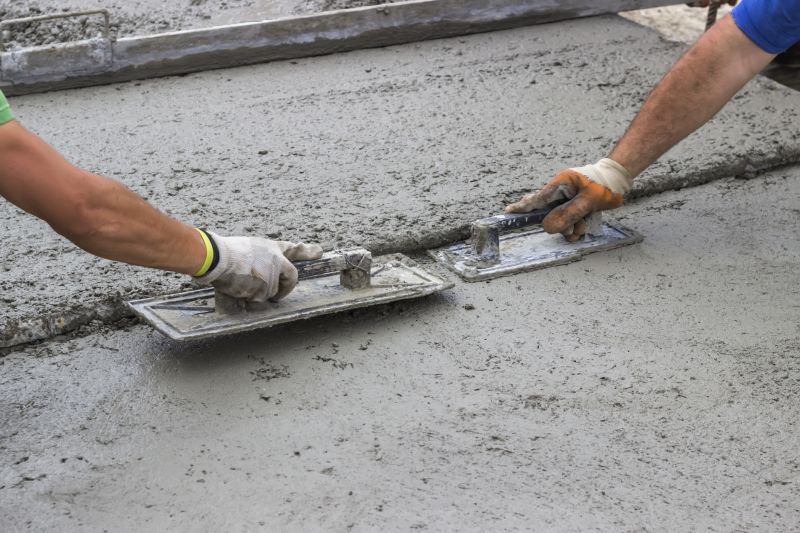
Monitoring weather forecasts helps plan repairs within suitable temperature ranges.
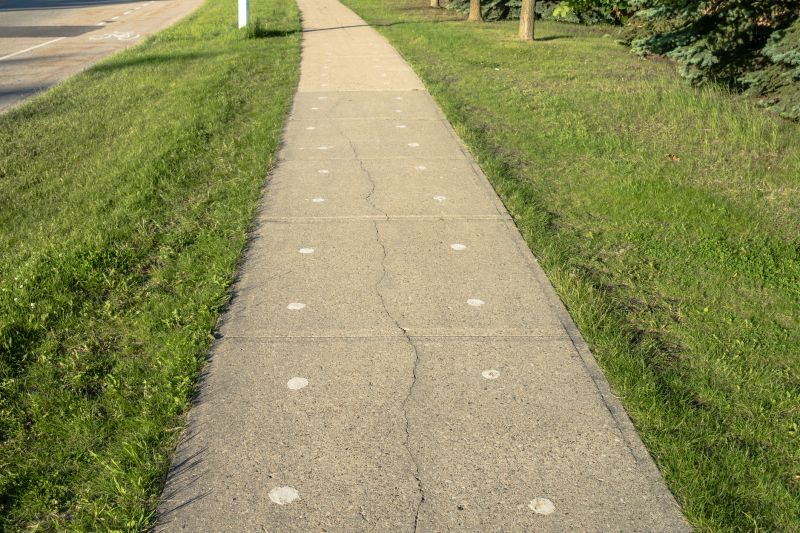
Large-scale repairs require extended periods of stable weather for consistent results.
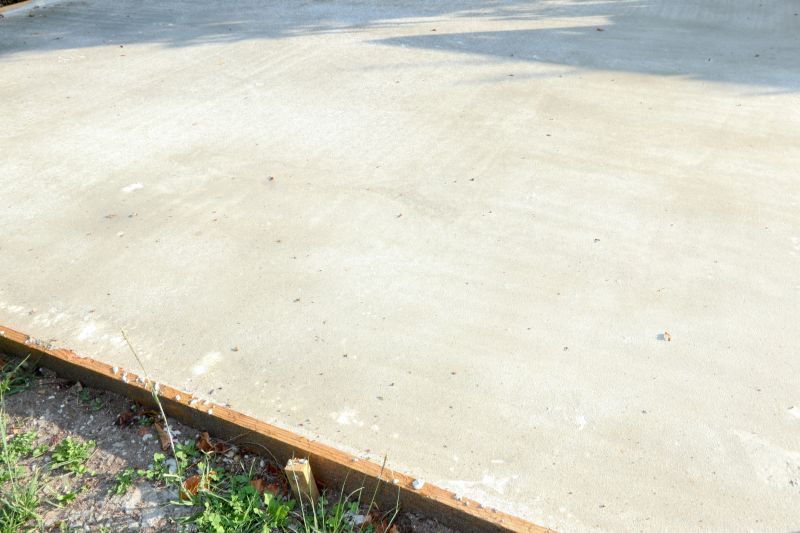
Allow sufficient curing time before exposing repaired concrete to adverse weather conditions.
| Weather Condition | Recommended Timing |
|---|---|
| Spring | Ideal for moderate temperatures and moisture levels. |
| Fall | Suitable due to cooler temperatures and lower humidity. |
| Summer | Best avoided during peak heat periods. |
| Winter | Not recommended when temperatures are below freezing. |
| Rainy Days | Should be avoided to prevent washout and improper curing. |
| Dry, Mild Days | Optimal for consistent curing and bonding. |
| High Humidity | Manageable if temperatures are suitable. |
| Cold Snap | Avoid until temperatures rise above freezing. |
Concrete repairs are most effective when performed under suitable weather conditions. Proper timing minimizes risks such as cracking, improper curing, and reduced durability. Scheduling repairs during moderate temperatures and stable weather ensures the best results and extends the lifespan of the repair work.
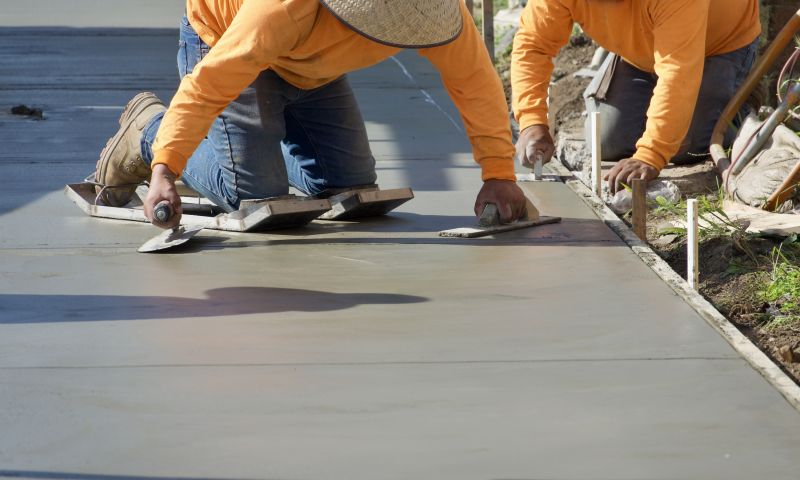
Proper weather conditions contribute to successful concrete repairs.
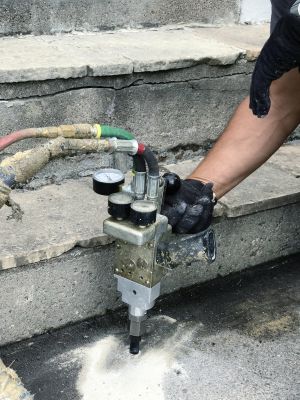
Ideal weather supports proper curing for longevity.
Well-timed repairs result in durable surfaces.
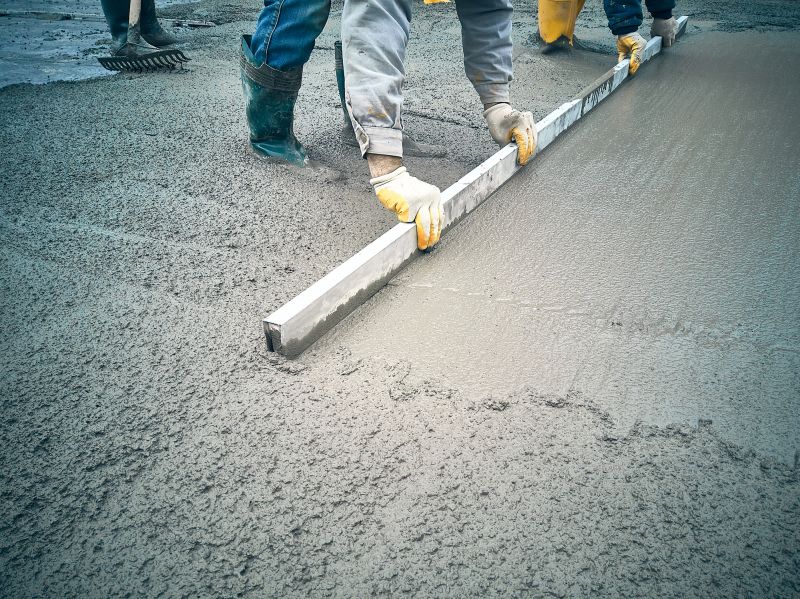
Weather considerations are essential before starting repairs.
Interested in scheduling concrete repairs? Filling out the contact form provides a convenient way to discuss project details and plan repairs during optimal weather periods for best results.